
Finding Emergency Blood Donors in Borivali & Western Suburbs Mumbai
Navigating emergency blood requirements in Borivali, Kandivali, and Dahisar: licensed blood banks, metro connectivity for donors, and rapid dispatch tips.
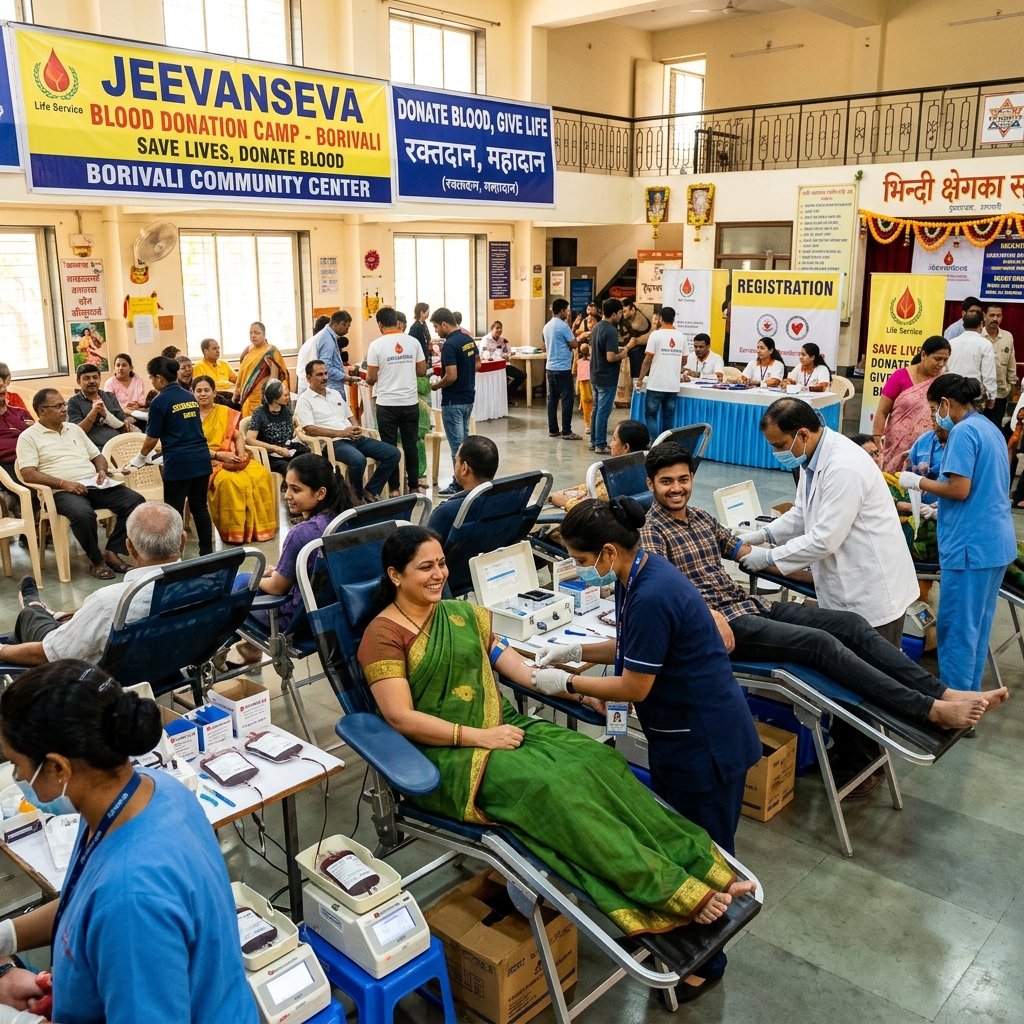
The Blood Demand Landscape Across Mumbai's Western Suburbs
Borivali and the surrounding northern suburban corridor (Dahisar, Kandivali, and Malad) represent one of the densest residential and commercial regions in the Mumbai Metropolitan Region. With major healthcare establishments including Apex Multispeciality Hospital, Shatabdi Municipal Hospital, and Karuna Hospital managing thousands of elective surgeries, dialysis sessions, and emergency trauma patients weekly, blood bank inventories operate under continuous pressure.
Securing compatible blood units during acute shortages—especially during monsoon dengue spikes or festive holiday periods—demands organized coordination between treating intensivists, hospital blood transfusion units, and local voluntary donor networks.
Key Licensed Blood Banks Serving Borivali and Kandivali
Residents facing urgent blood requirements can coordinate with accredited blood transfusion centers located across the Western corridor:
- Bharat Ratna Dr. Babasaheb Ambedkar Municipal General Hospital (Shatabdi Hospital, Kandivali West): The core BMC peripheral hospital providing subsidized red cell and fresh frozen plasma units for critical emergencies.
- Borivali Blood Bank (Swami Vivekananda Road, Borivali West): A dedicated charitable blood center with robust voluntary donor mobilization across Borivali, Dahisar, and Gorai.
- Navjivan Blood Bank (Malad West): Full-scale component separation laboratory supplying washed red cells, platelets, and plasma for cancer and pediatric hematology patients.
- Kokilaben Dhirubhai Ambani Hospital Blood Bank (Andheri West - Accessible via Metro Line 2A / 7): Advanced regional transfusion hub providing NAT-tested leukodepleted units and rapid plateletpheresis services.
Fast-Track Donor Transit via Metro Line 2A & 7
One of the major operational advantages for voluntary donors in the Borivali corridor is Mumbai Metro Lines 2A and 7. Unlike road traffic along the Western Express Highway and SV Road which can introduce unpredictable 45-minute delays, volunteers responding to emergency alerts on JeevanSeva can commute between Dahisar East, Borivali, Kandivali, and Andheri in under 20 minutes directly to hospital-attached blood collection rooms.
Comparison of Blood Component Shelf Life & Requirements
| Component | Storage Temp | Maximum Shelf Life | Primary Clinical Use Cases |
|---|---|---|---|
| Packed Red Blood Cells (PRBC) | 2°C to 6°C | 35 to 42 days (CPDA-1/SAGM) | Anemia, major blood loss, cardiovascular surgery |
| Single Donor Platelets (SDP) | 20°C to 24°C (with agitation) | 5 days strictly | Dengue thrombocytopenia, chemotherapy, leukemia |
| Fresh Frozen Plasma (FFP) | Below -18°C (deep frozen) | Up to 1 year | Coagulation factor deficiencies, liver failure, burns |
| Cryoprecipitate | Below -18°C | Up to 1 year | Hemophilia A, von Willebrand disease, hypofibrinogenemia |
Practical Steps When Organizing Donors for Borivali Hospitals
- Confirm Component Specifications: Clarify whether the treating doctor requires whole blood or separated components (e.g., Random Donor Platelets vs. Single Donor Apheresis Platelets).
- Check Pre-Donation Fasting Rules: Donors do not need to fast before donating blood. In fact, donors must eat a light meal 2 to 3 hours prior and drink plenty of fluids.
- Deploy JeevanSeva Western Corridor Alert: Issue a targeted donor request to mobilize verified local donors living within walking distance of Borivali and Kandivali railway stations.
Frequently Asked Questions
Can I donate blood if I reside outside Borivali?
Yes. Licensed blood banks accept eligible donors regardless of residential address, provided they possess valid government-issued photo identification (Aadhaar Card, Driving License, or Passport).
Are replacement donors legally required by Borivali hospitals?
No. Under the Supreme Court of India ruling and the National Blood Policy, hospitals cannot refuse emergency medical treatment or withhold blood if replacement donors are unavailable.