What to Eat and Drink Before and After Donating Blood: Complete Nutritional and Hydration Guide
Wondering what to eat before giving blood? Discover the best pre-donation meals, iron-rich snacks, hydration rules, and what foods to strictly avoid for a smooth experience.
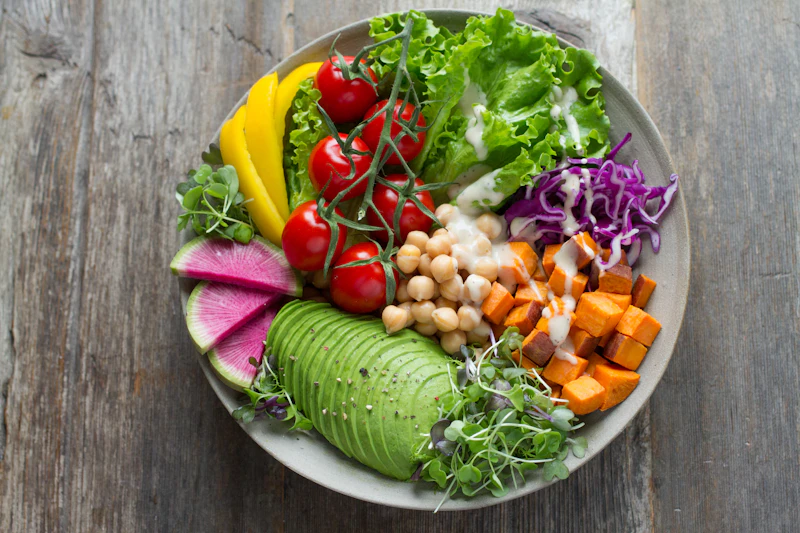
The Donor's Nutrition Playbook: Preparing Your Body for Safe Blood Donation
A successful, comfortable blood donation starts hours before you ever sit in the phlebotomy chair. What you eat and drink on the day of your donation directly determines how you will feel during and after the procedure. Donating on an empty stomach or while dehydrated is the number one cause of dizziness, nausea, and fainting.
To help you prepare your body like a champion, the medical team at Sarva JeevanSeva Foundation has compiled this definitive nutritional and hydration guide for voluntary blood donors in India.
1. The Golden Rule: Hydrate, Hydrate, Hydrate!
Blood is approximately 55% liquid plasma, which is itself 90% water. When you donate 350 to 450 ml of blood, your circulatory system experiences an immediate drop in fluid volume:
- 24 Hours Before: Drink an extra 500 to 1,000 ml of fluids throughout the day.
- 2 to 3 Hours Before: Drink at least 500 ml (2 large glasses) of water, coconut water, or fresh fruit juice.
- Why Hydration Matters: Well-hydrated blood vessels are plumper and more visible, making venipuncture quick, virtually painless, and smooth. Proper hydration also stabilizes your blood pressure, preventing post-donation lightheadedness.
2. Pre-Donation Meal: What to Eat 2 to 3 Hours Before
Never donate blood on an empty stomach! Have a nourishing, balanced meal 2 to 3 hours prior to donating, or a light healthy snack 30 to 45 minutes before:
Ideal Pre-Donation Meals & Snacks:
- • Oatmeal or Dalia: Complex carbohydrates provide sustained glucose release without insulin spikes.
- • Idli with Sambar: Fermented, easily digestible carbs paired with protein-rich lentils.
- • Roti with Dal & Spinach: Wholesome iron and complex fiber.
- • Bananas & Apples: Rapid potassium and natural energy.
- • Roasted Chana with Jaggery (Gud): Classic Indian superfood combination rich in bioavailable iron.
Foods to STRICTLY Avoid Before Donating:
- • Deep-Fried / Fatty Foods: Samosas, pakoras, burgers, and oily biryanis cause lipemia (fat droplets in the blood), which can make donated plasma cloudy and unusable for lab testing!
- • Tea and Coffee: Caffeine acts as a diuretic (worsening dehydration) and contains polyphenols that block iron absorption.
- • Alcohol: Causes acute dehydration and impairs platelet function. Avoid for at least 24 hours prior.
3. Why Vitamin C is Your Iron's Best Friend
Plant-based iron (non-heme iron found in lentils, beans, and leafy greens) requires an acidic environment in the duodenum for optimal absorption:
- Pair your meals with Vitamin C-rich foods such as fresh lemon juice, oranges, amla (Indian gooseberry), sweet lime (mosambi), or guava.
- Consuming Vitamin C alongside iron-rich plant foods can increase iron bioavailability by up to 300%, helping your bone marrow rapidly replenish red blood cells post-donation.
4. Post-Donation Refreshment: What to Consume Immediately
Following your donation, spend 10 to 15 minutes in the refreshment lounge at the camp:
- Drink the Provided Juice: Glucose and fluids immediately restore intravascular volume and blood sugar.
- Eat the Provided Biscuits or Snack: Provides quick-burning carbohydrates to prevent hypoglycemic fatigue.
- Drink Extra Water for the Next 24 Hours: Aim for an additional 1 to 1.5 liters of clean water over the next 24 hours to help your kidneys maintain fluid equilibrium.
5. Frequently Asked Questions (FAQs)
Q1: Can I donate while observing a religious fast (Vrat/Roza)?
No. Donating blood while dry-fasting or on severe calorie restriction is dangerous due to the high risk of severe dehydration and fainting. Please wait until your fast is completed and you have had a wholesome meal.
Q2: Should I take iron tablets after donating?
For most healthy individuals who eat a balanced diet, dietary iron is sufficient. However, frequent donors or women with borderline hemoglobin may benefit from a 30-day course of elemental iron supplements upon consultation with a medical officer.
Regulatory References: National Blood Transfusion Council (NBTC) Donor Care Guidelines; WHO Blood Donor Counselling Manual; National Institute of Nutrition (NIN) Dietary Guidelines for Indians.